
Whose Throne Are We Actually Building?
In today's culture, influence is often measured by visibility, followers, and personal branding. But what happens when those same values begin shaping our approach to worship ministry?
In "Whose Throne Are We Actually Building? Name, Image, and Likeness in Worship," Brian Shaw challenges worship leaders to examine their motives and consider whether the focus of their ministry has subtly shifted from exalting Christ to elevating self. Drawing from Scripture, church history, and decades of ministry experience, Shaw offers a compelling reminder that worship was never intended to build our platform—it was always meant to build God's throne.
This thought-provoking article calls worship leaders back to humility, surrender, and a renewed commitment to making much of Jesus rather than ourselves.
Revival Without Hype: How to Build a Sustainable Spirit-Led Worship Culture
Revival is often treated as a moment—something we plan, promote, and experience for a few nights before returning to normal. But Scripture reveals something deeper. Revival is not a scheduled event; it is the ongoing work of the Holy Spirit renewing hearts, restoring devotion to Christ, and shaping a culture of daily faithfulness.
In this article, Pastor Javaris Wright challenges us to move beyond hype-driven gatherings and rediscover a sustainable, Spirit-led rhythm of life. Rooted in Acts 2 and the promise of the indwelling Holy Spirit, this message calls the Church to stop chasing visitation and start living from habitation—where revival is not temporary, but transformative.
3 Ways To Become A True Worshipper
What if worship was never meant to be confined to a song set or a Sunday service—but instead defined the way we live every day?
In “3 Ways to Become a True Worshipper,” we’re reminded that God isn’t searching for the most talented or the most visible. He’s seeking hearts that are fully surrendered—worshippers who will honor Him in spirit and in truth.
True worship begins with awe, seeing God for who He truly is—holy, powerful, and worthy of all honor. It deepens through abandonment, where worship shifts from observation to full participation. And ultimately, it is revealed in how we live, as our time, energy, and devotion reflect what truly sits on the throne of our hearts.
Worship is not just something we do—it’s who we are.
Worship Ministry Excellence: Why Consistency Matters Every Week
Consistency is one of the greatest challenges in music ministry—especially when leading teams made up of volunteers with varying levels of experience and skill. Yet, consistency is not rooted in talent. It is built through structure.
Without clear systems, even the most sincere and passionate teams can experience unpredictable results. The songs may be meaningful and the hearts aligned, but the overall worship experience can fluctuate from week to week. Over time, that inconsistency can impact confidence, weaken engagement, and diminish the standard of excellence.
Structure creates stability.
When systems are in place, teams are empowered with clarity—how rehearsals flow, how transitions are executed, how media and sound support the moment, and what excellence looks like every single week.
This kind of consistency doesn’t happen by accident—it is cultivated intentionally.
Excellence should never be reserved for special occasions. It should be the standard. When excellence only appears on big days, it reveals a dependence on effort rather than a foundation of structure. But when systems are strong, even teams with diverse skill levels can move together with unity and confidence.
Consistency builds trust.
And trust creates space for people to fully engage in worship.
Every week may not carry the same energy as a major event, but every week carries the same responsibility—to lead well, to prepare faithfully, and to steward the moment with excellence.
The Best Easter Experience Ever
Easter weekend is one of the most significant moments in the life of a church. More guests walk through our doors than any other time of the year—many invited by friends, coworkers, or family members who simply hoped they’d say yes this one Sunday. That’s why it’s essential that every element of the service points clearly to the message of the gospel.
Creating the best Easter experience isn’t about bigger production or more songs—it’s about intentional moments that help people encounter the story of Jesus in a meaningful way. From grabbing attention in the opening minutes to sharing powerful testimonies of life change, every part of the service should guide people toward the hope found in the resurrection.
In this blog, we’ll explore five practical ways to craft a compelling Easter service—including how to capture attention immediately, why limiting congregational singing can increase engagement, how to help people truly grasp the gravity of the cross, and why stories of transformation are one of the most powerful tools in communicating the gospel.
If you’re planning Easter at your church, these insights will help you create a service that not only inspires believers but also connects deeply with those who may be hearing the message of Jesus for the very first time.
Because at the end of the day, Easter isn’t just a celebration—it’s an invitation to new life.
Perseverance in Relationships
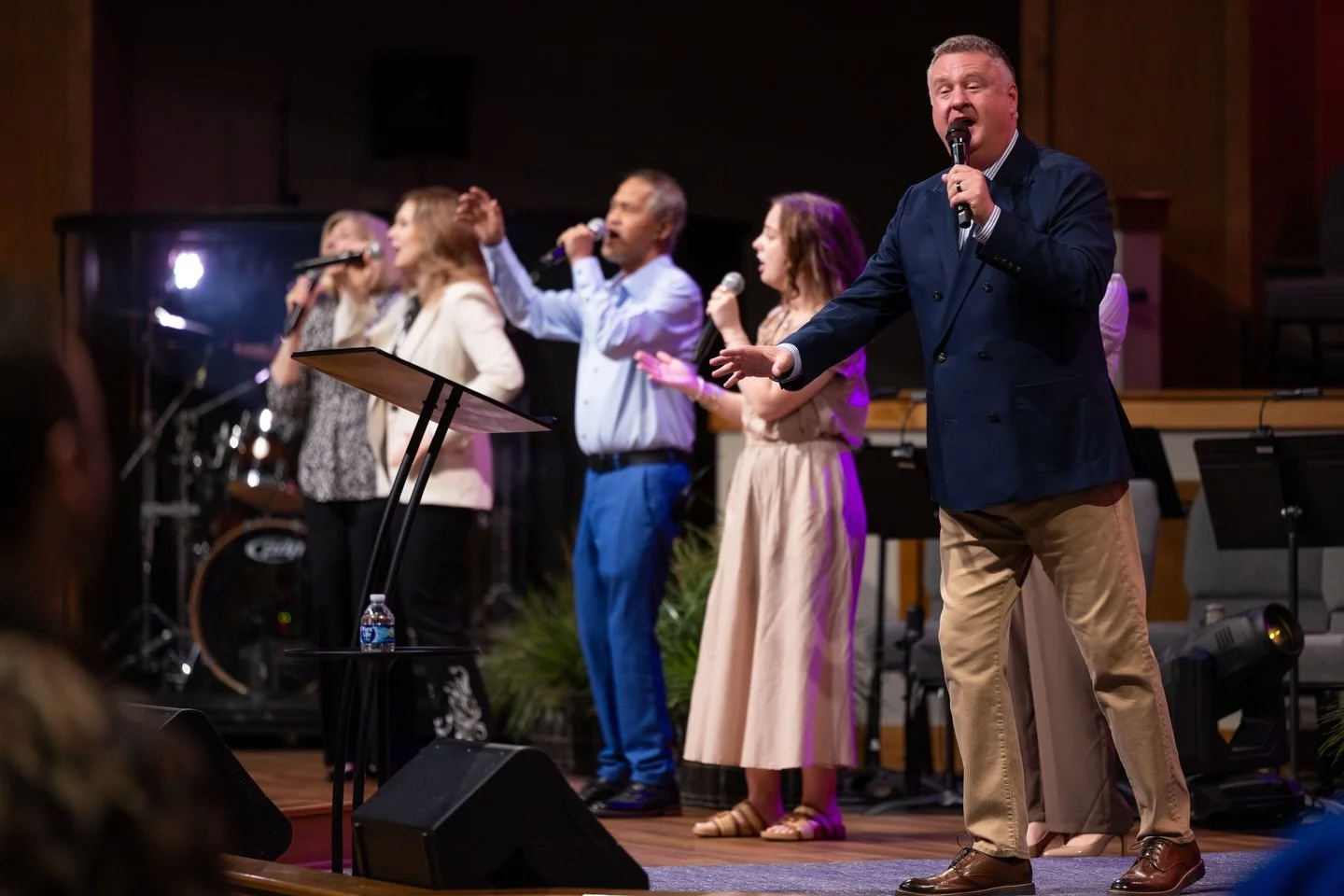
Worship ministry is built on more than voices and instruments—it is built on relationships. Perseverance means choosing grace, patience, and unity even when it’s difficult. In this reflection, Steven Allen reminds worship leaders and choir members that when relationships are healthy, harmony follows, and when the choir is unified, the sound of worship becomes powerful.
Lessons Learned: Get Some Grit
Todd Sturgell shares a story from his early ministry days that taught him the importance of perseverance. What seemed like an impossible task—tracking down a last-minute drama script in the pre-Google, fax-machine era—became a defining moment in learning that great leaders don’t give up when things get tough.


Building Bridges Through Intergenerational Worship with the O.U.T.R.E.A.C.H. Model
Dr. José Valentino Ruiz introduces the O.U.T.R.E.A.C.H. model—a powerful, biblically-rooted framework for creating worship communities where all generations collaborate, mentor, and grow together in faith and mission.

Turning Worry Into Worship
Worry has a way of creeping in and weighing us down, but worship can change everything. In his new post, Todd Sturgell shares how turning our focus to God can bring peace even in the middle of anxiety and fear.

Worship in Times of Crisis: Finding Hope and Strength
When life feels uncertain, worship becomes more than music—it becomes a lifeline. This powerful blog explores how worship anchors us in God’s truth during life’s hardest moments. Drawing from Scripture and modern crisis management principles, it outlines The Five P’s of Christ-IS Management: Pray, Profess, Protect, Proactivate, and Plan—a practical framework for staying grounded in faith when the storm hits. From Paul and Silas in prison to Jesus in Gethsemane, worship in crisis reveals God’s power, builds resilience, and becomes a testimony to those around us.

Dream Again
GWI Board Member Todd Sturgell invites us to rediscover something we may have left behind in childhood—our dreams. Drawing from a nostalgic memory of “Dream Time” in kindergarten, Todd reflects on how life’s challenges, responsibilities, and rejections often cause us to play it safe and dream less.

The Hidden Worship: Encouragement for Worship Pastors
Worship Pastor, Are You Worshiping When No One Is Watching?

Global Worship: Embracing Intercultural Expressions of Praise
This editorial explores the transformative power of intercultural worship, emphasizing the fusion of diverse cultural expressions to reflect the unity of the body of Christ. It highlights the role of worship leaders as musicionaries—mission-focused musicians—who bridge cultural divides by incorporating global instruments, styles, and values into their worship practices. Through the fostering of humility, collaboration, and creativity, worship leaders can inspire their congregations to engage in meaningful, Spirit-led adoration that transcends cultural boundaries and glorifies Jesus Christ.